How Locksmiths Open Doors Without Causing Damage
When you are locked out of your home or business, the last thing you want is a broken door or a damaged frame. Many people assume that a locksmith must drill through the lock or force the door open, leaving a costly repair bill on top of the callout fee. In reality, professional locksmiths have a range of techniques that let them gain entry without harming the door, the lock, or the surrounding woodwork. Understanding how these methods work can help you feel more confident when you need urgent help, and it also explains why a skilled locksmith is worth calling rather than attempting a DIY fix.
Why Non-Damaging Entry Matters
A door is not just a barrier; it is part of your property's security and appearance. A damaged door can weaken your home's protection, and replacing a lock or repairing a frame costs time and money. For renters, damaging a door might also mean losing part of a deposit. For homeowners, a scarred door can be an eyesore that is difficult to match. This is why most locksmiths aim for methods that leave everything intact. The goal is to get you back inside quickly while keeping your door as secure as it was before.
Understanding the Locking Mechanism
To open a lock without force, a locksmith first needs to understand what type of locking mechanism is fitted. The most common residential lock in the UK is the euro cylinder, often found in uPVC doors. These cylinders sit inside the door and are operated by turning the key. The lock itself is a series of pins that align when the correct key is inserted. A locksmith works with these internal components rather than attacking the door or the latch.
Other common mechanisms include mortice locks, which are cut into the edge of a wooden door, and rim locks, which are surface-mounted. Each type has its own vulnerabilities and preferred entry techniques. A good locksmith will assess the lock quickly and decide which method will work with the least risk of damage.
Non-Destructive Entry Methods
Lock Picking
Lock picking is the classic skill. It involves using specialised tools to move the pins inside the lock into the correct position, one by one, until the cylinder turns freely. This method requires a steady hand, patience, and a deep understanding of how the lock works. Picking does not leave any marks on the lock, and the door is not affected at all. However, it does take time. Simple pin tumbler locks can be picked in a minute or two, but more complex locks with security pins can take much longer. For a 24 hour locksmith, picking is often the first choice if the lock is simple and the customer is not in a hurry.
Bumping
Lock bumping is a faster technique that works on many pin tumbler locks. The locksmith inserts a specially cut bump key slightly deeper than a normal key, then taps it sharply while applying slight turning pressure. The impact forces the pins to jump above the shear line, allowing the plug to turn. Bumping can open a lock in seconds, and it leaves no visible damage. The downside is that it does not work on all locks, especially those with anti-bump features or high security cylinders. It is a useful trick for a locksmith to have, but it is not a guaranteed solution.
Decoding
Some locks, particularly wafer locks and certain types of padlocks, can be decoded. The locksmith uses a tool that feels the position of each wafer or pin, then adjusts the key or the tool to match. This is a more specialised skill and is less common in emergency callouts, but it is another method that avoids damage.
Using a Bypass Tool
For certain types of door latches, especially on commercial doors or older wooden doors, a locksmith can use a thin metal tool called a bypass tool. This is slid between the door and the frame to push the latch back into the door. It works only on doors that are not deadlocked and where the latch is accessible. It takes seconds and leaves no trace. However, many modern locks have a deadlatch feature that prevents this, so it is not always an option.
When Drilling Is Necessary
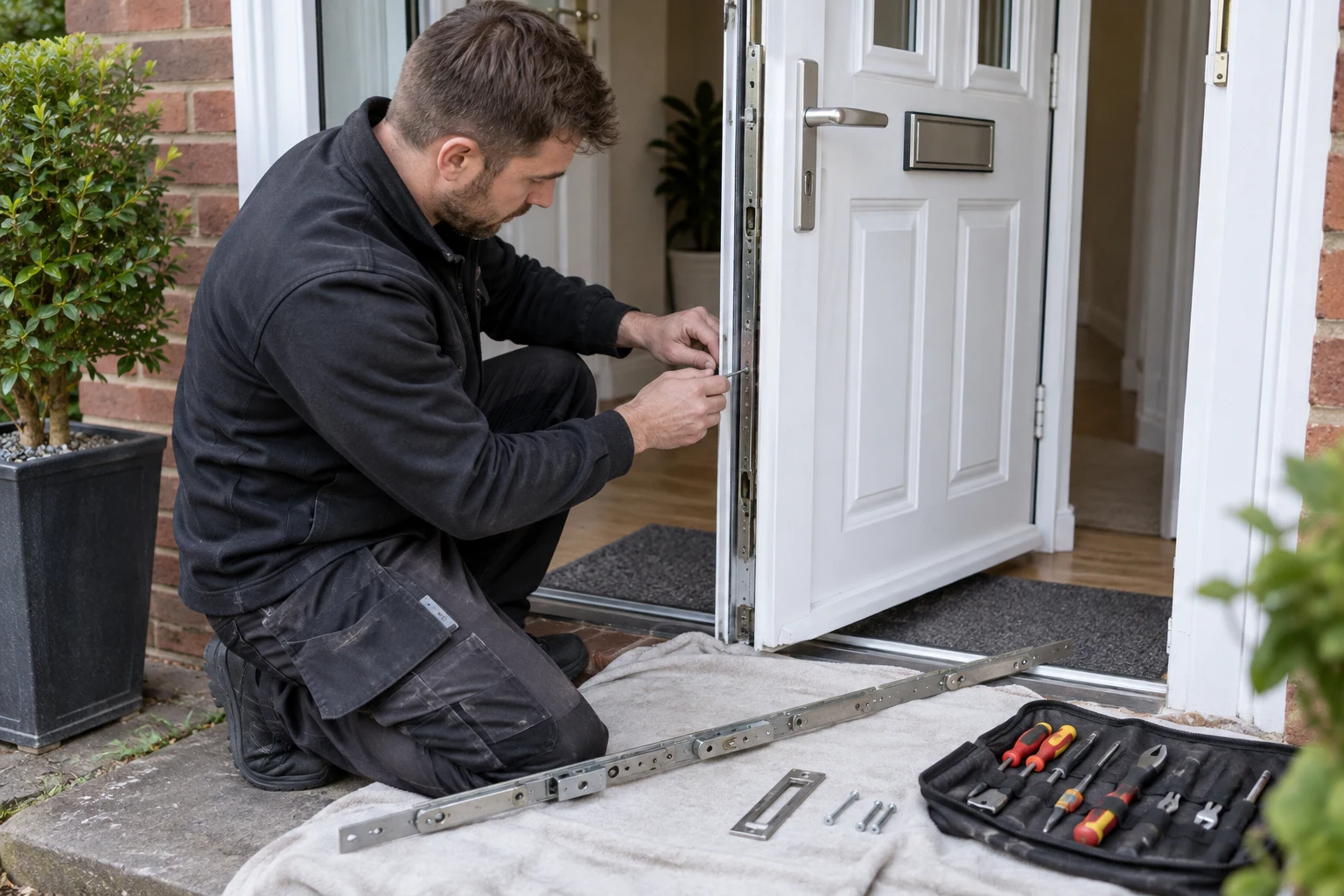
Despite all these methods, there are times when a lock cannot be opened without drilling. This usually happens with high-security locks that have drill protection, such as hardened steel pins or rotating discs that block picking tools. If the key has broken off inside the lock, or if the mechanism has seized due to corrosion or a manufacturing fault, picking may be impossible. In these cases, a professional locksmith will drill a small hole in a specific part of the cylinder to release the cam or the retaining screw, allowing the lock to be turned or removed.
Drilling is not a brute force attack on the door. It is a precise operation. The locksmith drills only enough to disable the lock's internal workings, and the hole is usually hidden once a new cylinder is fitted. The door and the frame remain untouched. The old lock is replaced with a new one, and the property is secured again. This is a last resort, but it is still much better than breaking the door down.
How a Locksmith Verifies Ownership
Before any of these techniques are used, a reputable locksmith must confirm that you have the right to access the property. This is a legal and ethical requirement. You will be asked for proof of address and, if the property is a rental, proof of tenancy or a letter from the landlord. In some cases, an identity check is also carried out. This protects you and your neighbours from someone who might be trying to break in under the guise of being locked out. A professional 24 hour locksmith will always request this verification before starting any work.
If you are locked out and do not have ID on you, the locksmith may be able to check your name against the electoral roll or council tax records. Some companies will also accept a signed letter from a neighbour who knows you, though this is less common. The key point is that a trustworthy locksmith takes security seriously, and that includes making sure they are helping the right person.
What This Means for You
Knowing that a locksmith can open your door without damaging it should give you peace of mind. When you call for urgent local locksmith support, you are not necessarily facing a broken lock or a ruined door. The technician will first try the least invasive method, and only move to drilling if nothing else works. This saves you money on repairs and keeps your home secure.
It also means that you should not attempt to force the door yourself while waiting for help. Pushing, kicking, or using a screwdriver can bend the latch or crack the frame, turning a simple lockout into a costly repair. Leave the door as it is, and let the locksmith do their job.
Choosing the Right Locksmith
Not all locksmiths have the same level of skill. Some rely heavily on drilling because they have not developed their picking or bypass techniques. When you need urgent local locksmith support, it pays to choose a company that employs trained professionals who understand the full range of non-damaging entry methods. Look for a locksmith who is registered with a trade body, such as the Master Locksmiths Association, and who can provide clear information about their approach.

A good locksmith will also be able to advise you on improving your lock security after the entry. They can recommend upgrades that offer better drill protection or anti-pick features, so you are less likely to face a difficult lockout in the future. This is a conversation worth having, especially if your current lock is old or low quality.
Final thoughts
Being locked out is stressful, but the solution does not have to be destructive. Professional locksmiths have access to several techniques that open doors cleanly and quickly. From lock picking and bumping to bypass tools and precision drilling, the aim is always to preserve your door and your lock. Next time you need a 24 hour locksmith, you can call with the confidence that your property is in safe hands.